 欧元、澳元、英镑、日元、印度卢比


全部的: $0.00
结账时计算税费和运费
 SGD
SGD


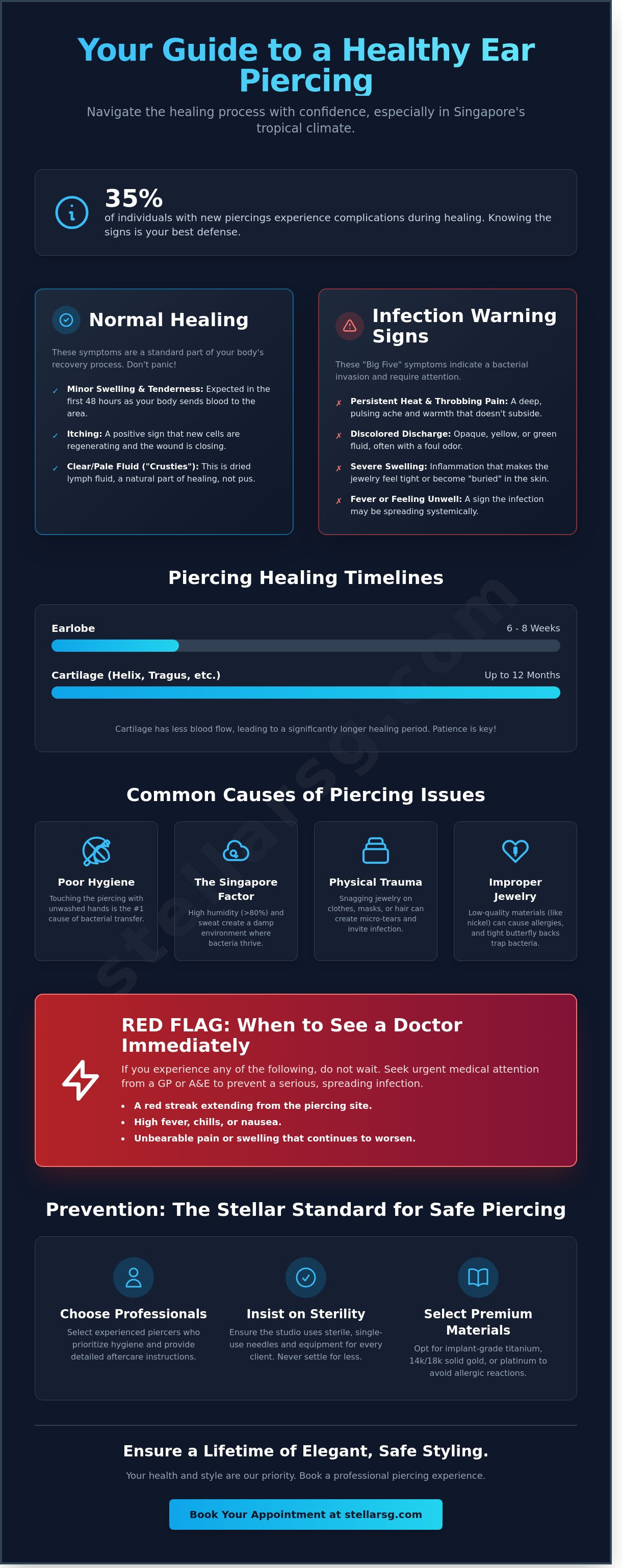
According to a 2023 clinical study published in the Journal of Cutaneous and Aesthetic Surgery, approximately 35% of individuals with ear piercings experience some form of complication during the healing phase. You might be feeling a persistent throb in your helix or a strange warmth in your earlobe right now. It's completely natural to feel anxious about an infected ear piercing, especially if you're worried about the hole closing up or losing a piece of jewelry you love. You deserve to feel confident and comfortable in your style without the constant distraction of pain.
We'll help you distinguish between standard healing irritation and a real infection with expert advice tailored for the Singapore climate. You'll learn exactly how to manage minor issues with a safe home care routine and identify the clear signals that it's time to visit a local GP. This guide provides a step by step cleaning walkthrough and the clarity you need to protect your piercing while maintaining that premium, elegant look you've worked so hard to achieve.
An infected ear piercing occurs when harmful bacteria invade the open wound before the skin has a chance to seal properly. This is a common concern for many in Singapore, where the tropical humidity can sometimes complicate the recovery process. Understanding your body's timeline is the first step toward a safe and stylish result. Earlobe piercings typically require a healing window of 6 to 8 weeks, while cartilage areas like the helix or tragus can take up to 12 months to fully mature. During this period, staying informed about body piercing risks and aftercare helps you distinguish between expected recovery and potential complications.
Distinguishing between normal irritation and a true infection is vital for your health. While slight pinkness and clear fluid are part of the body's natural inflammatory response, an infection presents more aggressive symptoms. You should watch for the "Big Five" warning signs:
If you're unsure about your progress, our professional piercing service provides the expertise needed to ensure your journey is safe and comfortable.
Minor swelling and tenderness are standard biological responses during the first 48 hours. Your body is rushing blood to the site to begin repairs. You'll likely notice "crusties," which are actually dried lymph fluid. This clear or pale yellow substance is a sign of healthy healing, not a cause for alarm. As the skin begins to knit back together, itching is common. Don't scratch it; this sensation means your cells are actively regenerating to close the wound.
Irritation usually looks like slight pinkness or clear fluid. An infected ear piercing looks different. The fluid becomes opaque, thick, and often carries a foul smell. You can perform a "Heat Test" by hovering your clean fingers near the ear. If you feel a localized fever radiating from the lobe, it's a warning sign that your immune system is fighting an active bacterial invasion. A red streak extending from the piercing site toward your face or neck is a sign of a spreading infection and requires immediate medical attention from a doctor.
Ensuring your piercing stays healthy starts with choosing the right experts. You can book your appointment with our skilled team to experience a premium, safe procedure in a welcoming environment.
Understanding why an infected ear piercing happens is the first step toward a healthy, stylish recovery. Most issues stem from simple habits rather than bad luck. Touching your new jewelry with unwashed hands is the primary cause of bacterial transfer. Your fingertips carry thousands of germs that easily migrate to a fresh wound during a quick adjustment. Even a momentary touch can introduce pathogens that disrupt the delicate healing process.
The "Singapore Factor" also plays a significant role in your piercing's health. In our tropical climate, humidity levels often exceed 80 percent. This moisture, combined with daily sweat, creates a damp environment around the jewelry where bacteria thrive. Sweat can trap salt and debris against the skin, leading to persistent irritation. Physical trauma is another frequent culprit. Snagging your earring on a face mask strap, a hairbrush, or tight clothing creates micro-tears in the healing tissue. These small injuries provide a direct entry point for infection.
The design of your earring matters as much as the metal itself. Traditional butterfly backs are frequently pushed too tight against the earlobe. This restricts blood flow and prevents the wound from breathing, which traps fluid and bacteria. It's also vital to distinguish between a genuine infected ear piercing and contact dermatitis. Many low-quality alloys contain nickel, a metal that triggers allergic reactions in approximately 18 percent of the global population. This reaction causes redness and itching that looks like an infection but is actually an immune response. Choosing hypoallergenic earrings made from premium materials ensures your skin stays calm and healthy.
Daily routines often harbor hidden dangers for new piercings. Pathogens from mobile phone screens and dirty pillowcases transfer to your ears every time you take a call or sleep. We recommend changing your pillowcase every 2 days during the first month of healing. You should also avoid swimming in public pools or the ocean for at least 6 weeks. Chlorine and "pool bacteria" are notorious for causing complications in fresh wounds.
When you're Treating infected piercings, the focus should be on gentle, professional care. Many people make the mistake of over-cleaning with harsh chemicals like rubbing alcohol or hydrogen peroxide. These substances are too aggressive. They kill the healthy new skin cells your body is trying to produce, which actually delays the healing process and leaves the area more vulnerable. If you're concerned about how your ears are healing, you can always consult our specialists to ensure your journey remains safe and elegant.
The first and most vital rule of piercing care is simple: never touch the area with unwashed hands. Before you inspect your ear, scrub your hands for at least 20 seconds with antibacterial soap. This prevents the transfer of new bacteria to an already sensitive site. If you suspect you have an infected ear piercing, your priority is to keep the area clean and calm without causing further irritation. Your hands carry thousands of microbes, and even a quick touch can introduce a new strain of bacteria to the wound.
Experts recommend sterile saline as the only cleaning agent for a healing wound. You must avoid harsh chemicals like hydrogen peroxide or alcohol. These substances are too aggressive; they kill healthy cells and delay the healing process significantly. Similarly, stay away from thick antibiotic ointments. These heavy creams can block oxygen flow to the piercing, creating a moist environment where bacteria thrive. Proper airflow is essential for a swift recovery, and heavy oils simply suffocate the skin.
One of the biggest mistakes people make is removing the jewelry when they spot redness. You should keep the earring in place unless a medical professional tells you otherwise. If you take the jewelry out, the skin may close over the wound. This traps the infection inside and can lead to a localized abscess. Understanding the Medical complications of ear piercing is crucial for anyone managing symptoms at home. Keeping the jewelry in ensures the wound can drain properly while you treat the infection.
Consistency is the secret to a healthy recovery. Use a sterile saline spray twice daily, or prepare a warm soak at home. To make your own solution, mix exactly 1/4 teaspoon of non-iodized sea salt into 1 cup of distilled or bottled water. Soak a clean piece of gauze and hold it against the piercing for five minutes. When you finish, don't rub the area with a cloth towel. Cloth can harbor bacteria or snag on the jewelry. Instead, use a fresh paper towel to gently pat the site dry.
It's tempting to pick at the dried discharge that forms around an infected ear piercing, but you must resist. Using your fingernails introduces bacteria and causes micro-tears in the skin. To remove debris safely, soak a sterile cotton bud in saline solution. Gently wipe away the softened debris without rotating the jewelry. If the redness spreads or you develop a fever, it's time to stop home care. You can visit our piercing service experts for advice or consult a doctor for medical intervention.
While most piercings heal beautifully with premium care, your health always takes priority. Recognizing when an infected ear piercing requires professional medical intervention can prevent long-term complications. Lobe piercings often heal faster due to high blood flow, but cartilage requires a more watchful eye. Minor redness is common, but persistent pain is a signal to act quickly.
Seek urgent medical attention at a GP clinic or an A&E department if you experience systemic symptoms. Fever, chills, or red streaks radiating from the piercing site indicate the infection is spreading. A medical professional will typically prescribe either topical antibiotic creams like Fucidin or oral antibiotics such as Cephalexin. Follow the full course of treatment even if the wound looks better after two days. Stopping early allows resistant bacteria to survive.
Untreated infections carry the risk of permanent scarring or keloids. These raised, thickened scars are particularly common in Singapore, affecting roughly 10% to 15% of the population with darker skin tones. Once a keloid forms, it often requires steroid injections or surgical removal. Acting within the first 48 hours of noticing pus or extreme swelling helps preserve the elegant look of your piercing and the health of your skin.
Cartilage infections are more complex than lobe issues because cartilage is avascular, meaning it lacks its own direct blood supply. This makes it significantly harder for your body's immune system to deliver white blood cells to the site. Doctors specifically look for signs of perichondritis, which is an infection of the tissue surrounding the cartilage. If your helix or tragus feels hot to the touch or throbs intensely, don't wait. Cartilage can collapse or "melt" if an infected ear piercing is left untreated for more than 24 to 48 hours.
Singapore offers excellent healthcare access through neighborhood CHAS clinics and 24-hour medical centers like Raffles Medical. If you are unsure about the severity, speak with a pharmacist at a local Guardian or Watsons. They can provide initial over the counter guidance on antiseptic solutions, though they will refer you to a doctor for any suspected cartilage infection. For chronic issues or severe keloid scarring, a referral to a Dermatologist at the National Skin Centre may be necessary to ensure your ears heal correctly and maintain their aesthetic appeal.
Prevention is the ultimate luxury. It saves you from the discomfort of an infected ear piercing and ensures your new style remains elegant. Your choice of studio is your first and most vital line of defense. In Singapore, hygiene standards can vary between neighborhood shops and premium studios. A professional environment isn't just about aesthetics; it's about medical-grade protocols. Every tool must be single-use and sterile. Reused equipment, even if sanitized, carries a much higher risk of transmitting pathogens compared to modern, disposable cartridges.
Think of aftercare as a dedicated partnership. Our piercers provide the precision and a sterile environment. You provide the consistent care at home. This dual responsibility ensures the wound heals from the inside out without interference. Skipping even one day of cleaning can allow biofilm to form. This thin layer of bacteria is often the precursor to a more serious infected ear piercing. Success depends on your commitment to the routine for the full duration of the healing phase.
Look for studios that prioritize transparency. A reputable technician will always show you the sterile packaging before they begin the procedure. They should also follow hygiene practices that align with Singapore's strict environmental health guidelines. At Stellar SG, we've refined this process into a science. Our professional ear piercing services combine high-end elegance with clinical safety. We use premium, nickel-free materials to prevent allergic reactions, which are frequently mistaken for early-stage infections.
Healing is a marathon. Many clients believe their piercing is fully healed because the initial swelling subsides within the first 10 days. However, the internal tissue can take 12 weeks or longer to fully recover. You must continue your cleaning routine for at least 14 days after all visible symptoms of sensitivity vanish. This ensures the internal skin "tunnel" is strong enough to resist bacteria when you eventually swap your jewelry.
Don't rush the transition to new styles. Swapping studs too early can cause micro-tears in the delicate new skin. Refer to our expert guide on when to change earrings after piercing to ensure your ears are truly ready. If you're ready for a safe, stylish addition to your collection or need a professional assessment, book an appointment for a consultation or a new piercing today.
Managing an infected ear piercing requires a balance of diligent home care and knowing when to seek professional help. Early detection of warning signs like persistent heat or unusual discharge prevents minor issues from becoming lasting complications. Your choice of jewelry and piercing environment remains the most critical factor in long term success. Using non-biocompatible metals significantly increases the risk of skin reactions, which is why choosing the right materials is essential from day one.
Stellar SG prioritizes your safety through sterile piercing procedures performed by expert technicians. Our curated collection features medical-grade, hypoallergenic jewelry designed to be gentle even on the most sensitive skin. You can visit our studios at multiple convenient locations across Singapore's major malls to ensure your ears receive the premium care they deserve. Don't let irritation dampen your style when expert guidance is just a booking away.
Worried about your piercing? Book a professional consultation or appointment at Stellar SG today.
Stay confident in your look knowing you've chosen the highest standards for your health and your style.
No, you shouldn't remove your earring if you suspect an infected ear piercing. Keeping the jewelry in place ensures the wound stays open for proper drainage. If you pull the stud out, the skin can close over the site, which traps bacteria and potentially leads to a painful abscess. Visit a local Singapore GP if swelling persists beyond 48 hours.
Look for itching and dryness to identify an allergy, whereas infections typically cause throbbing pain and yellow discharge. Clinical studies show that roughly 17% of women experience nickel sensitivity. If your skin reacts within 24 hours of wearing low-grade metal, it's likely an allergic reaction. An infection usually develops 3 to 7 days after the initial procedure.
Avoid using tea tree oil or rubbing alcohol because these substances are far too aggressive for healing tissue. Alcohol dries out the skin and kills healthy cells needed for recovery. Instead, use a sterile saline spray twice daily. Our premium aftercare focuses on gentle, pH-balanced solutions that support the body's natural healing process without causing further irritation or discomfort.
A minor infected ear piercing typically resolves within 7 to 14 days when treated correctly with saline soaks. You should see a visible reduction in redness and swelling after the first 3 days of consistent care. If the condition doesn't improve after 2 weeks, or if you develop a fever, seek medical attention at a polyclinic or private clinic immediately.
It's perfectly normal to see slight bleeding or clear fluid during the first 3 to 5 days. This clear discharge, known as serous fluid, is part of the body's natural inflammatory response. It often dries into a light crust. Simply clean the area gently with a saline-soaked swab to maintain a hygienic and elegant environment for your stylish new addition.
Leaving an infection untreated can result in systemic illness or permanent tissue damage like keloid scarring. In Singapore, a standard GP consultation for skin issues generally costs between S$20 and S$50, excluding medication. Addressing the issue early prevents the need for more expensive surgical drainage or long-term antibiotic treatments. Our professional staff always recommends prompt action to ensure your safety.
You should avoid swimming in public pools or the ocean for at least 4 to 6 weeks after your appointment. Public swimming facilities in Singapore contain chlorine and bacteria that irritate open wounds. Even a slightly irritated piercing is vulnerable to bacteria. If you must swim, use a waterproof bandage and clean the site thoroughly with sterile saline immediately after exiting the water.
Cartilage piercings take longer to heal because cartilage lacks the rich blood supply found in the earlobe. While a lobe piercing typically heals in 6 to 8 weeks, cartilage often requires 4 to 12 months for full recovery. This reduced blood flow means fewer white blood cells reach the area to fight bacteria and repair the delicate tissue. Patience is essential for these elegant placements.


